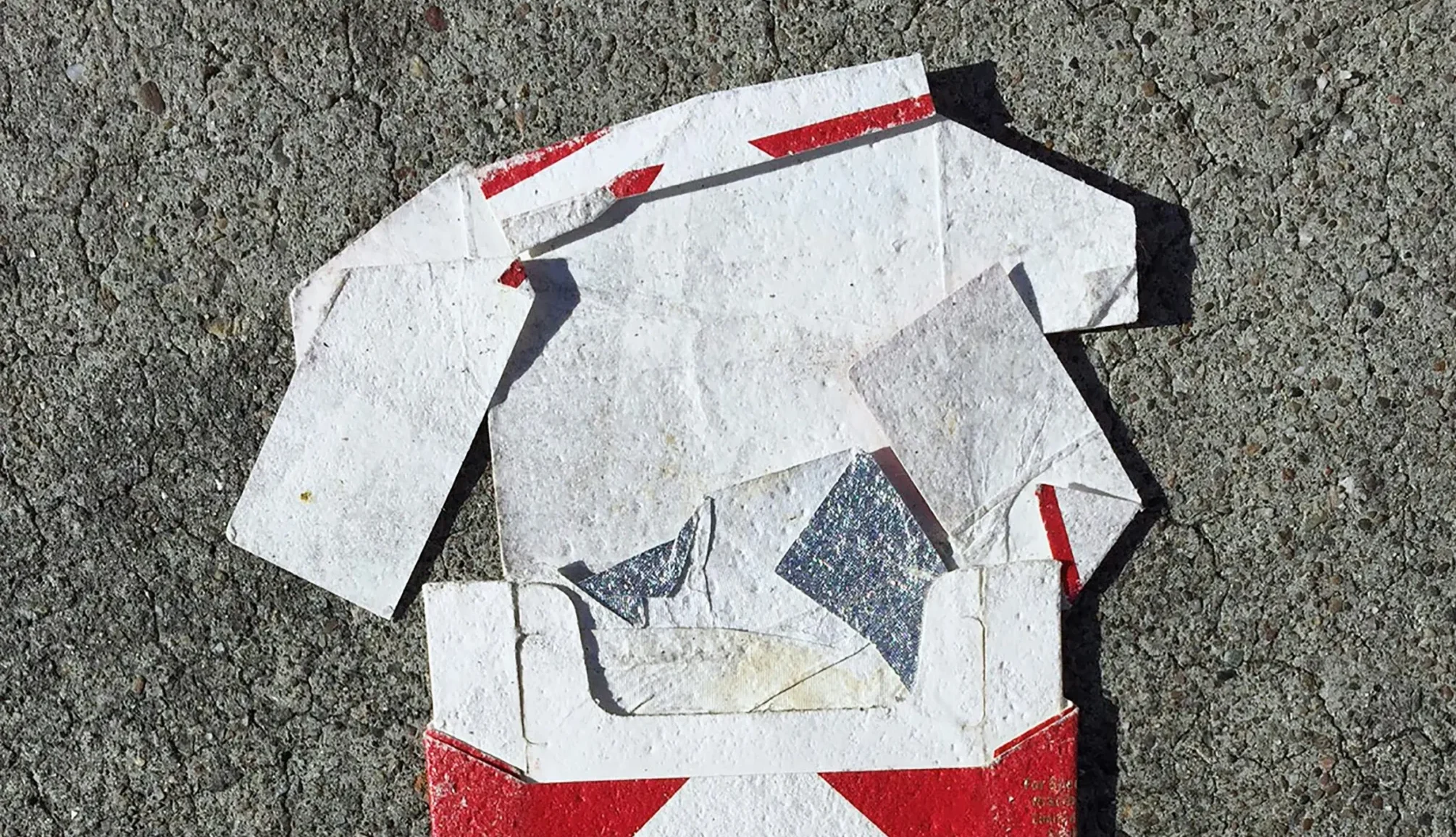
Addiction describes the excessive and compulsive use of a substance. What that substance is has a wide range of definitions. The ones that immediately come to mind are substances like drugs and alcohol, but the list doesn’t stop there. Addiction can also involve behaviors like gambling and other impulsive patterns around food, pornography, or even screen time.
While there are many ways to understand addiction, it manifests differently from person to person.
In this blog, we’ll discuss what addiction is, the different models that explain it, and how recovery coaches can support individuals finding their own path through addiction.
Meet Joe.
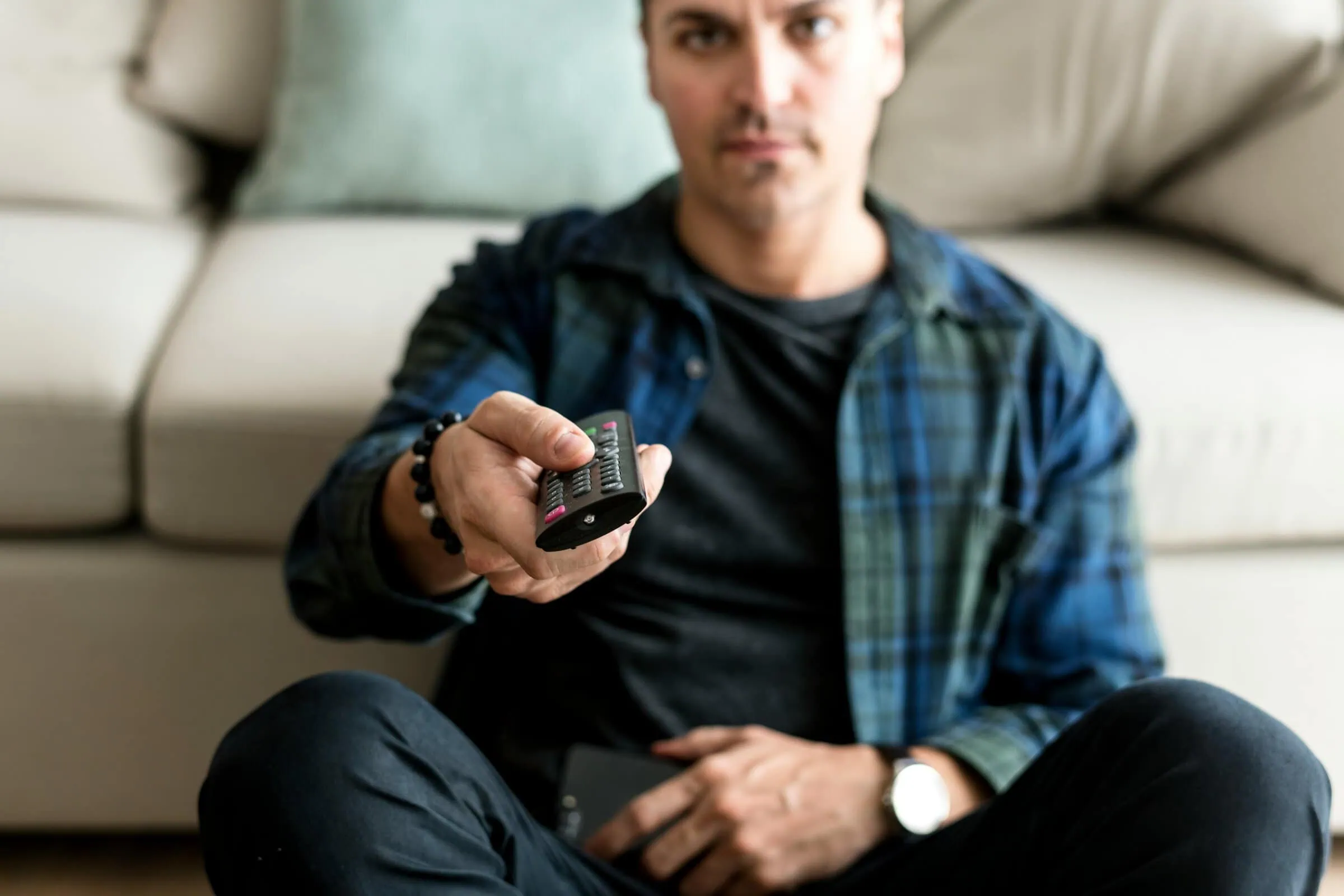
Joe is a blue collar working father. He’s got a good job, he shows up on time, and nobody has any complaints about his work. He gets home late. By then, his partner already put the kids to bed, and made dinner. So Joe gets ready to unwind like he usually does, sitting in front of the TV drinking a six-pack of his favorite light beer. Everything starts out fine, until he pulls out his second six-pack. He’s now intoxicated and feeling rowdy. The kids wake up, and hear their parents fighting, Joe’s partner feels powerless to do anything, again. She hopes things will be better tomorrow.
Some would describe this as a normal scenario, while others see the glaring red flags in the behavior. The same thing happens when people try to understand addiction. Depending on your upbringing, your worldview, and your personal experience, you likely have very different perspectives as to what might be going on in this scenario.
Addiction has many different definitions because there is no single root cause for addiction-related behaviors. A variety of models exist to better understand where addictive behaviors come from.
Let’s explore how four models of addiction describe and explain Joe’s substance use tendencies.
Medical Model: What the DSM actually says about addiction
The DSM manual is the gold standard that medical and mental health professionals use to diagnose and classify mental and behavioral disorders. While the manual doesn’t outright diagnose “addiction” as a disorder, it does use the term substance use disorder to describe addiction, which can coexist alongside other disorders.
The DSM criteria for substance use disorder represents the medical model of understanding addiction. A diagnosis needs to meet at least two of the following criteria within a 12-month period:
- Using more than intended
- Difficulty cutting down or stopping
- A lot of time revolving around substances or substance use
- Craving
- Problems fulfilling responsibilities
- Continuing despite relationship or social problems
- Giving up important activities
- Using in physically hazardous situations
- Continuing despite physical or psychological harm
- Tolerance
- Withdrawal
From this perspective, Joe’s drinking isn’t a character flaw or a learned habit. It’s a chronic, treatable health condition that changes how the brain responds to reward, stress, and self-control. Like diabetes or high blood pressure, it needs ongoing care, not willpower alone.
While we don’t get the full story (like whether he wakes up feeling withdrawal or unable to fulfill his work responsibilities), we do see at least one criterion poking through: he keeps drinking even though it’s causing problems with his family.
If two or more criteria show up over 12 months, the DSM would classify Joe’s behavior as alcohol use disorder. From the medical model of addiction, Joe’s path of recovery could include:
- Talking with a doctor about how much he drinks
- Medically supervised withdrawal, since stopping suddenly after heavy daily drinking can be dangerous
- Medications approved for alcohol use disorder, like naltrexone or acamprosate, which can reduce cravings
- Counseling or behavioral therapy
For the medical professional who lives by the medical model, the ultimate goal is remission. If Joe goes at least three months without meeting any of the criteria (other than cravings), the DSM-5 calls that early remission. After 12 months, it’s sustained remission, and Joe no longer meets the criteria for substance use disorder.
The takeaway for recovery coaches
You won’t diagnose Joe or recommend treatment, but you can help him decide whether clinical support is part of his path and connect him to it if he wants it. Questions like these can help:
- When was the last time you talked with a medical professional about your drinking?
- What do you know about the effects of alcohol on the body?
- What risks might be involved for yourself?
If Joe already sees his drinking as a medical issue, a “disease”, that view may ease his shame. You can help him hold onto the other half of it too: a chronic condition can be managed. If he rejects the label, you don’t need to convince him. Medication is a valid pathway, exercise is a valid pathway, reducing his drinking is a valid pathway just as much as abstinence or anything else Joe, or any other participant, chooses to move forward.
Moral Model
The moral model of addiction, which is probably the most dominant perspective from all, frames addiction as a personal moral failing, blaming individuals for being weak in the face of addictive substances, and thus framing these individuals as “bad” people. It tells Joe that:
- They are a bad person, partner, and parent with irreparable character flaws
- Addiction is a choice and individuals are responsible for their addiction
It’s the oldest of these models, and it still shapes how people talk about their own drinking or drug use, and how they talk about other people’s.
Historically, support under this model has meant punishment, legal consequences, ultimatums, and pressure to “get your act together.” Some faith-based paths carry pieces of this model, although many reframe it around grace and redemption. Stigma is the highest of any model here, and it’s a major reason people avoid asking for help.
The takeaway for recovery coaches
This is the model coaches most often meet in participants. They likely have very negative internal perceptions of themselves, and are ready to work on their self-worth without the shame that comes with traditional recovery support. As a coach, it is not your job to judge whether the participant is a good or bad person. This prevents trust from growing between the peer coach and participant.
One useful approach for coaches is to honor the pathway that their participant highlights, whether that looks like:
- Framing recovery around their faith
- Taking personal accountability for wrongdoings
- Creating a personal definition of recovery, without the shame
Families are allowed to be angry and to hold Joe accountable for how he behaves, but treating him as if he is a bad person will make change harder for him. For coaches, shame language tells you quickly how a participant sees themselves, and that’s a natural starting point for exploring where that self-image comes from, and whether it fits who they actually want to be.
Sociocultural Model
The sociocultural model of addiction frames addiction as a byproduct of your surroundings. From this perspective, Joe’s drinking didn’t start with Joe. It’s something that he may have learned from the people around him and that his family and friends have reinforced over time.
That can look like:
- A father who did the same thing when Joe was growing up
- A friend group that gets intoxicated at the local bar every Friday night
- A lifelong expectation that a hard-working man needs a drink at the end of a hard day
Unfortunately, the pattern doesn’t stop with Joe, either. His wife may have grown up in a similar environment and learned to adapt to these harmful patterns. To her, handling the kids and absorbing the yelling might feel familiar and safe, even though it keeps the cycle running.
If Joe learned heavy drinking from the people around him, recovery may involve changing his relationship with his environment so that he can review his relationship with the substance, alcohol. This could mean:
- Finding new ways to unwind after work
- Meeting with others who don’t drink the way he used to
- Getting support for his partner who’s learned to manage this all on her own
But reshaping your environment takes time, and the old one doesn’t just disappear in the process. Joe will still get invited to the cookouts with his extended family, and he’ll still have rough weeks at work. His buddy might even look over to him and say “one more drink won’t hurt.”
When one of those moments pulls him back, the sociocultural model treats it as information about which parts of Joe’s world still have a hold on him. It isn’t proof that he can’t change.
The takeaway for Recovery Coaches
Because the sociocultural model places the pattern of addiction outside of Joe it can ease some of the internal shame he may carry. It’s easier to come face-to-face with a habit that you organically absorbed from your father and your friends than one you believe proves your weakness. This gives recovery coaches room to ask questions and let Joe draw his own lines. This includes questions like:
- When did a beer after work become part of your day?
- What are the ways that others around you unwind that don’t involve drinking in this way?
- What happens on the nights you skip drinking this way?
If Joe starts to see the pattern, the insight belongs to him. If he doesn’t, the coach keeps working inside the frame that Joe understands. Either way, the coach’s job from there is the same: to help him sort out which parts of that culture he wants to keep and which he’s ready to change, while also connecting him with resources in the community that Joe might identify as supportive to him.
Public Health Model
The public health model of addiction takes the definition a step further, analyzing how a substance, people, and their environment interact across an entire population. The focus is on preventing and reducing harm, using policy and access to resources as a way to shape the environment. This model answers questions like:
- Is binge drinking common? If so, why?
- What makes binge drinking a harmful habit?
- At what point does heavy drinking look like an addiction?
- How can policy reduce harm of substance use?
Through this lens, you’d look at how cheap and available beer is and at advertising that sells it to working men as a reward. You’d also look at the long hours and physical strain of Joe’s job, whether his employer offers any behavioral health benefits, and whether anywhere affordable nearby could support him if he wanted it.
From the public health model, quitting isn’t the only goal. This model argues that the goal should be the reduction of harm across the population at the community and workplace level by:
- Screening for risky drinking at routine doctor visits
- Including workplace policies around substance use
- Covering peer recovery coaching services with insurance
- Funding programs and resources that educate about substance use
While understanding addiction from the public health perspective removes the stigma of drinking as personal failure, the tradeoff is that the model can feel impersonal. Joe might not recognize himself in a population trend, or he might hear it as something he doesn’t want.
The takeaway for recovery coaches
For coaches, this model is where connecting people to resources lives. If Joe already sees his job stress and lack of resources as part of the problem, the coach can help him take stock of what’s available, what’s missing, and which resources he wants to pursue by asking questions like:
- What would a nice evening look like for you and the kids?
- What kind of employee programs might be available to you at your job?
- What if you knew what your insurance covers?
Even if Joe doesn’t see his drinking this way, you can still bring up this perspective if it seems like the insight could ease his personal shame. If Joe decides to cut back or stop, provide some education around the effects of alcohol use and inquire what his next steps might be. Stopping suddenly after heavy, long-term drinking can cause dangerous withdrawal symptoms, including seizures. If Joe chose to go this route, what does he think about doing it with medical supervision? The recovery coach can help him weigh some pros and cons here.
The Four Models, at a glance
| Model | How it frames addiction | What recovery looks like | Your takeaway as a coach |
| Medical (DSM-5) | A diagnosable condition, substance use disorder, defined by 11 criteria. | No longer meeting the criteria over time (remission). | You won’t diagnose, but knowing the criteria helps you meet participants where they are. |
| Moral | A personal moral failing and a choice. | Historically, punishment, ultimatums, and pressure to “get your act together.” | Don’t judge. Listen for shame language and honor the pathway your participant chooses. |
| Sociocultural | A byproduct of your surroundings, learned and reinforced by family and friends. | Rethinking your environment: how you relax, who you spend time with, and who supports you. Setbacks are information, not proof one can’t change. | Be curious about their culture, values, and what’s important to them. This can help uncover potential pathways for their desired goals. |
| Public health | The substance, the person, and their environment interacting across a whole population. | Reduce harm with safer choices: drinking less, never driving after drinking, and rebuilding family relationships. | Connect them to resources (including medical or clinical care, if they choose), and help them grow the strengths and supports that sustain wellness. |
What does this mean for recovery coaches?
Although coaches do not diagnose, understanding the DSM criteria, the different models of addiction, and the stigma attached to each can help coaches meet participants where they are.
Participants have their own views and perspectives, and they shape how they see themselves, and whether recovery is for them, or what is even attainable. All of these insights can help you figure out the best way to support them towards their own path of recovery by:
- Educating and providing helpful resources
- Connecting people with communities and individuals for support
- Helping them in building their own recovery and wellness capital
- Honing their personal values, wants, and strengths towards the life of their choosing
As you grow in the field of recovery coaching, you’ll build an intuition for the kind of support that is best suited for each participant and their perspectives on addiction.
Build your recovery coaching toolbox
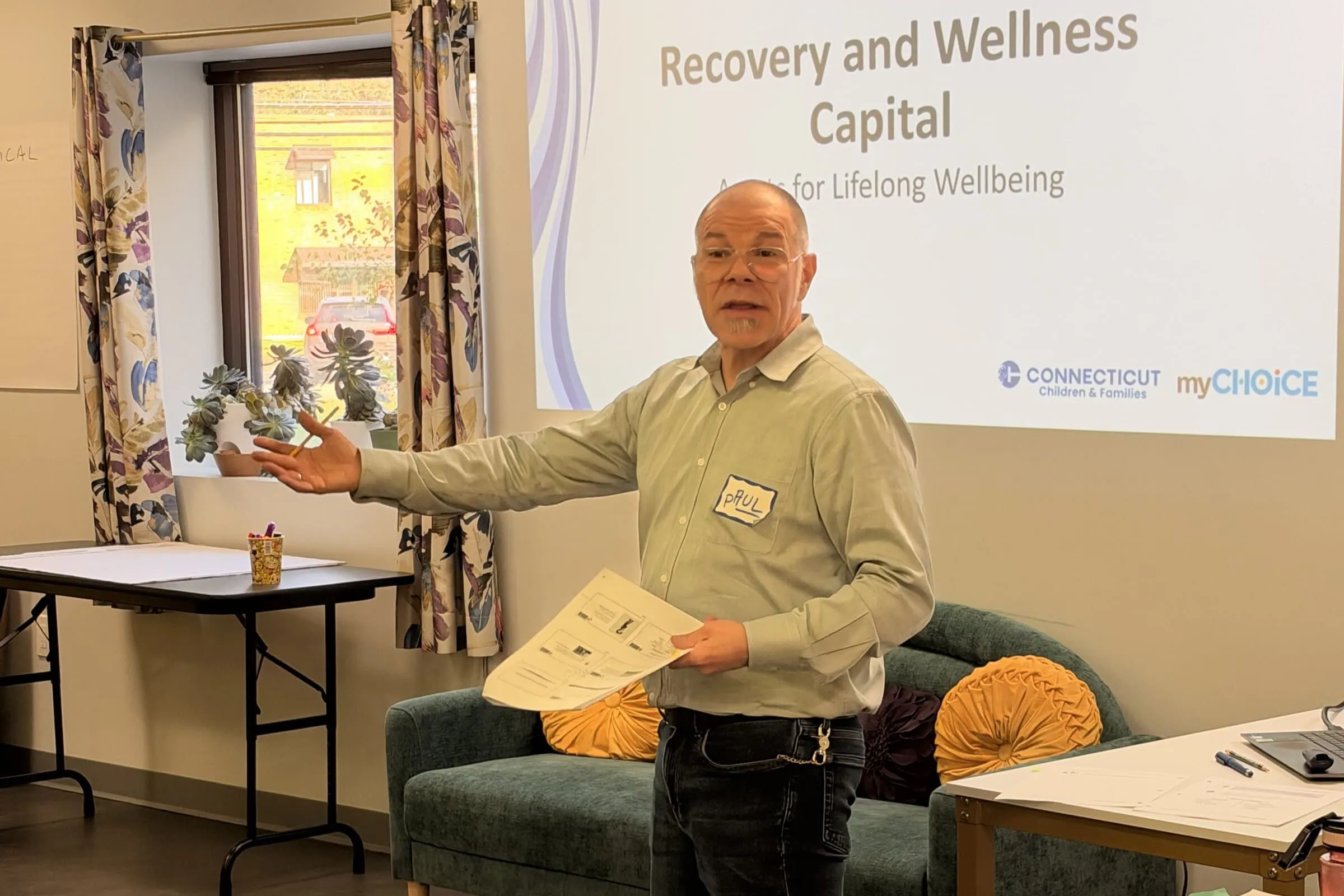
The myCHOiCE Addictions 101 course is an in-depth look at the DSM criteria and the alternative models of addiction so that you can understand where participants are on their journey to recovery and how you can help.
If you want to learn what motivates participants to change (no matter which model they believe) and what that path to recovery looks like, enroll in the next training.