Are you considering a career in peer recovery coaching? This guide is a helpful place to start.
If you’ve struggled with mental health or addiction challenges in your life, you’ve probably been supported by a family member or a friend through those tough times. They might accompany you to a group meeting, or share resources that support your recovery, giving you a helping hand or a shoulder to lean on when you might otherwise feel alone.
A recovery coach is someone that’s trained and certified to provide non-clinical peer support on a professional level, so that individuals facing substance use challenges or navigating personal hardships can build resilient paths to recovery. Training equips them with practical tools and ethical boundaries so they can support individuals forging their unique paths to recovery — because there’s no one-size-fits-all pathway for everyone.
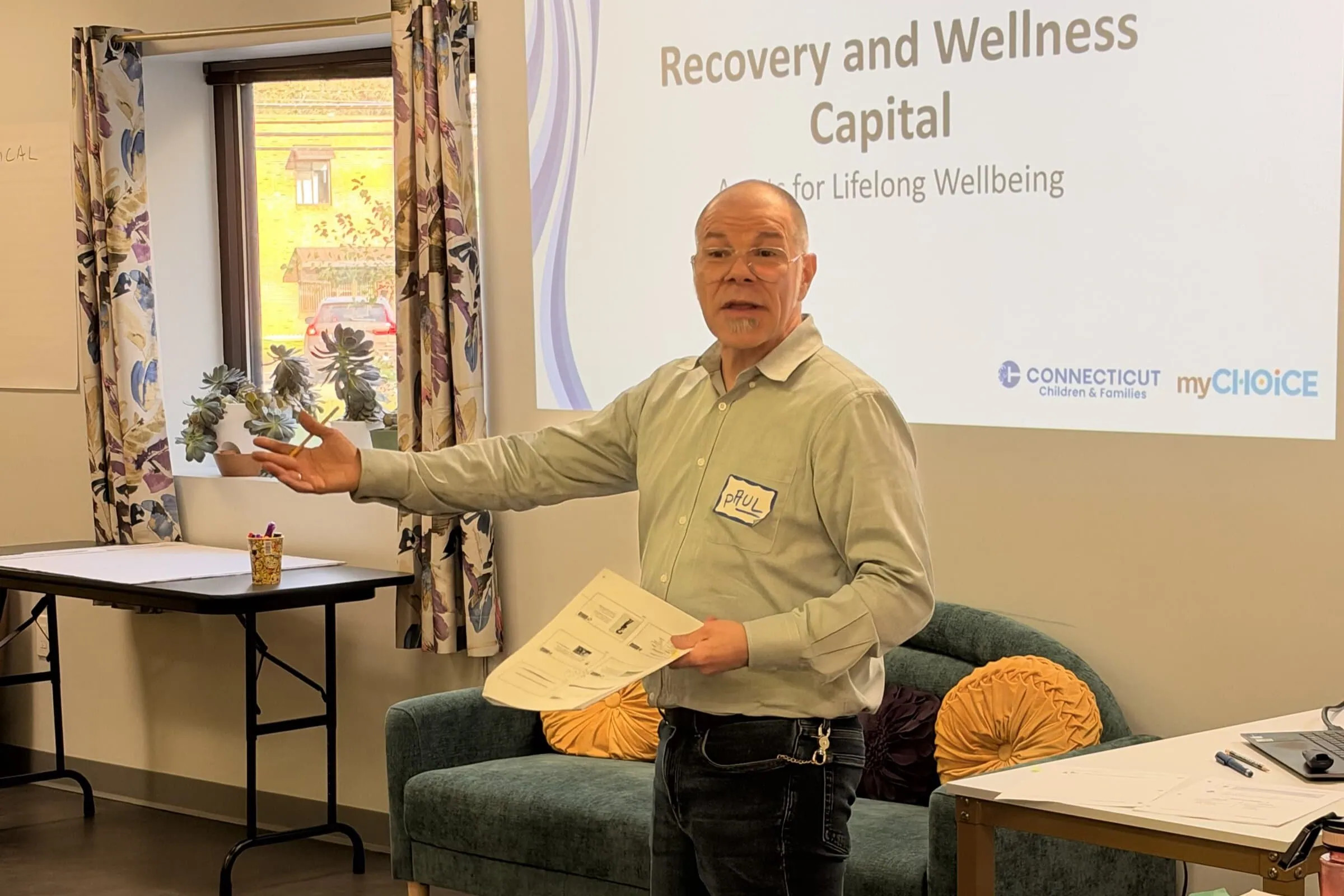
“One of my favorite ways to describe coaching comes from an older meaning of the word coach: a vehicle that takes a person of importance from where they are to where they want to be. In recovery coaching, the person of importance is the individual seeking or sustaining recovery, the family or community around them, and sometimes the organization or system working towards becoming recovery-oriented.”
– pAUL aLVES, Founder of CRC
In practice that can mean being curious about what someone might actually be dealing with under the surface, helping them connect to housing or transportation when a barrier is logistical rather than emotional, or simply sitting with them after a missed appointment so they remain engaged in their process.
Most recovery coaches have lived experience with these kinds of challenges, and that shapes their approach to coaching. The lessons they learned in their journey serve as valuable teaching tools they can tap into so they can connect and resonate with the participants they help.
Role of Peer Recovery Coaching Alongside Health Care Providers
What sets recovery coaches apart from other professionals is that they do not diagnose or prescribe recovery plans for the participants they serve.
Instead, they’re often called in to explore and uncover the path that an individual would like to take towards recovery and wellness based on their strengths, their culture, the barriers they’re facing, their values, their personal goals, and the most actionable steps that make sense to them.
Unlike some other credentialed professionals, peer coaches do not walk into the room with a set agenda. They do not impose a specific pathway or force people into making decisions.
And sometimes, that kind of work requires patience, humility, and the ability to understand and connect with people, even when the choices they make are different from your own. pAUL aLVES knows that resistance firsthand. He’s been on his own recovery journey for two decades, and it shaped how he thinks about the role:
“As a recovery coach, the last thing you want to do is give somebody advice or make suggestions. Keep your agenda to yourself. When someone told me to go left, I would go right. Told me to slow down, and I would speed up. And if they told me not to go, I went. It’s the last thing I want to do as a peer professional: tell anyone what they should or shouldn’t do”
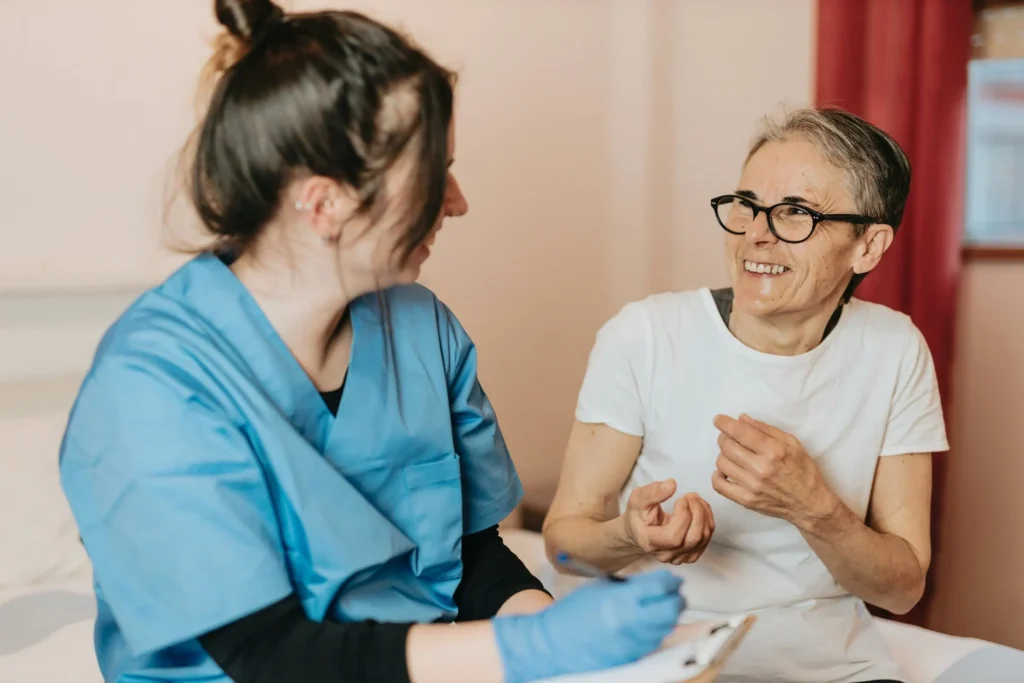
Although health care providers and peer recovery coaches serve different ends, it doesn’t mean coaches work alone. Ideally, peer professionals operate under specialized peer supervisors and are often part of treatment teams that include doctors, nurses and social workers. They bring a lens of lived and living experience supporting the team’s understanding. This is what sets peer recovery coaches apart from the other roles.

Who can become a recovery coach?
Informally, like we mentioned at the beginning of this blog, you might consider a loved one your recovery coach. The same can be said for other trusted members of your support system like friends, family members, faith and community leaders or sponsors.
And formally, a lot of those same people end up becoming recovery coaches for their communities. But there’s usually one thing that moves someone towards recovery coaching as a professional career: wanting to use their own lived experience with substance or mental health challenges to help others navigate similar situations. Also known as: giving back.
What this career truly calls for is someone who is willing to be compassionate, follow ethical guidelines, and support individuals to reconnect with themselves, their voice, and their goals.
What principles guide recovery coaching values?
Training as a peer recovery professional covers the values that every coach must embody. Many of these are outlined by SAMHSA, who identifies the following guiding principles:
- Care for people, first and foremost
- View recovery from a holistic perspective: mind, body, and spirit
- Support people as peers, not as superiors
- Foster a safe environment and relationship with your participants
- Take their culture, trauma, and strengths into account
- Keep self-respect and personal choice at the center of every interaction
In plain language, recovery coaching asks coaches to meet people where they are without judgement or stigma — never comparing people to where they “should” be. The key is transparency throughout the process: it’s not linear, and it’s going to be hard, but recovery is never impossible. This builds trust.

Hard truths about becoming a recovery coach
How you coach changes from person to person, but the principles that guide every conversation stay the same. The biggest challenge is patience. As pAUL puts it:
“There’s a process for everything, and everybody’s process looks different from yours or mine. As much as coaching requires action, patience is key — there’s an ungodly number of factors you have no control over.”
That’s the mindset shift behind the realities every new coach runs into. Here are other things to keep in mind if you’re considering a career in peer recovery coaching:
- Your goal is to support people in their own journey to recovery. You may offer information, perspective, and support, but recovery ultimately belongs to the individual.
- When the conversation of recovery comes up, most people tend to think in terms of the dominant recovery narratives. However, there are infinite pathways that honor recovery. For some people that includes complete abstinence. For others that includes harm reduction, medication, faith, therapy and other layers of support that change overtime.
- Coaches don’t only connect people to resources, they are one. More than that, they help people recognize that they’re their best resource. A coach aids people to build recovery and wellness while building their confidence to keep moving when material resources are unavailable, delayed, or not the right fit. That might mean following up after a missed appointment instead of writing them off, or sitting through a benefits application with them instead of just handing over a phone number. The skills coaches teach last a lifetime.
- An informal recovery coach and a formal recovery coach don’t offer the same kind of support — and there’s room for both. While loved ones can make powerful allies to recovery, a trained coach brings in documentation practices, structured boundary-setting, and ethical judgement built through a formal curriculum. Professional training, like we offer through the myCHOiCE Learning Academy, is the clearest path to learning this skillset.
FAQs
Are recovery coaches and sobriety coaches the same thing?
Not always. Sobriety coaches typically focus on abstinence from substances specifically. Recovery coaches can support that goal as well, but they are also trained to honor other paths to recovery, like harm reduction, medication-assisted treatment, or faith-based recovery, depending on what is fitting as the individual defines wellness for themselves.
What is the difference between a life coach and a peer recovery coach?
A life coach may focus broadly on goals, habits, career, relationships, or personal development. A recovery coach offers specific support for people affected by substance use, behavioral and/or mental health challenges, or related life impacts, often pairing their coaching skillset with their own lived experience.
Is lived experience required to become a recovery coach?
The answer varies based on your state or country’s regulations. There’s no standardized path into the profession, which makes it difficult to give a blanket answer for this question. But we encourage you to connect with our team! We’d love to help you explore if this is the right path for you.
Where can I find work as a peer recovery coach?
Recovery coaches work in community organizations, treatment programs, behavioral health centers, hospitals, reentry programs, schools, public health initiatives, public health departments, family support programs, corporations and private practice.

Is Peer Recovery Coaching For You?
myCHOiCE Learning Academy sets you on a path to your unique career in peer recovery coaching. Our curriculum is recognized internationally, and can help you navigate professional certification prerequisites that apply to your country or state.
Whether you are just starting to ask the question or already know this is your calling, we invite you to browse our Learning Academy and explore what the next step towards a career in the recovery workforce is.